Leveraging Centralized Data Analysis and Fault Detection using BalanceCx to Streamline Facilities
Management Across Multiple Campus Buildings
Project Overview:
Washington & Lee University’s campus comprises multiple buildings—some operating under one building automation system and others under a different platform. This fragmented control environment made it challenging for facility teams to access, analyze, and correlate HVAC performance data. To overcome these obstacles, the university deployed BalanceCx, a cloud-based analytics tool, across eight buildings. The goal was to consolidate diverse data streams into a single interface, apply advanced fault detection and diagnostics, and streamline both ongoing maintenance and operational decision-making.
Challenges:
- Fragmented Data Sources: Campus environments often use multiple building automation systems, making it difficult for facilities managers to obtain a unified view of HVAC performance. Data was siloed, limiting the ability to identify broad trends or systemic issues.
- Resource Constraints: Facilities teams at universities are frequently understaffed, juggling urgent repairs, routine maintenance, capital projects, and administrative tasks. Without a strategic way to prioritize issues, important energy-saving opportunities and comfort improvements could be overlooked.
- Seasonal Transitions: As colder weather set in, the need to confirm proper heating operation across all buildings increased. Manual checks were time-consuming, prone to oversight, and often reactive rather than proactive.
BalanceCx Solutions:
Unified Data Integration:
BalanceCx integrated with BACnet devices and other building systems, consolidating data from all eight buildings into one cloud-based platform. This enabled the facilities team to easily compare equipment performance and identify campus-wide trends without juggling multiple interfaces.
Client-Specific Acceptance Criteria and Prioritization:
Predefined acceptance criteria—such as target temperatures, airflow rates, and equipment operating parameters—were programmed into BalanceCx. The software then automatically validated real-time data against these criteria and highlighted deviations. Rather than scanning through raw data, the team received actionable insights organized by criticality, frequency of occurrence, and potential energy cost savings.
Fault Detection and Diagnostics:
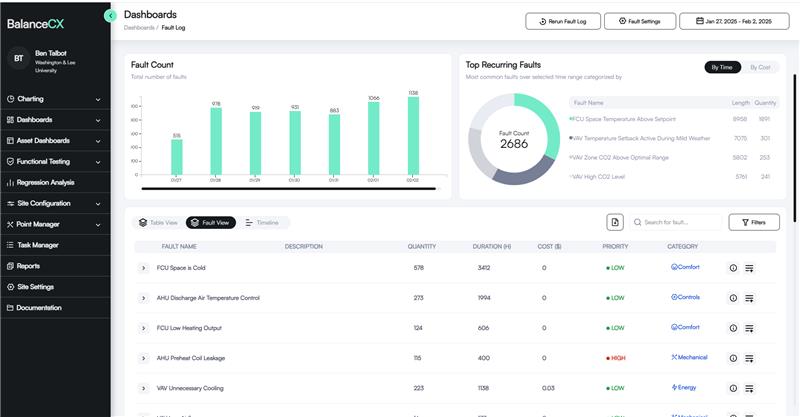
BalanceCx’s automated fault detection analyzed the consolidated data and generated weekly reports listing the most pressing issues across all eight buildings. These prioritized lists helped the facilities team direct their limited resources where they mattered most, focusing on critical systems first and addressing common issues that provided the greatest return on investment.
Coordinated Testing Efforts:
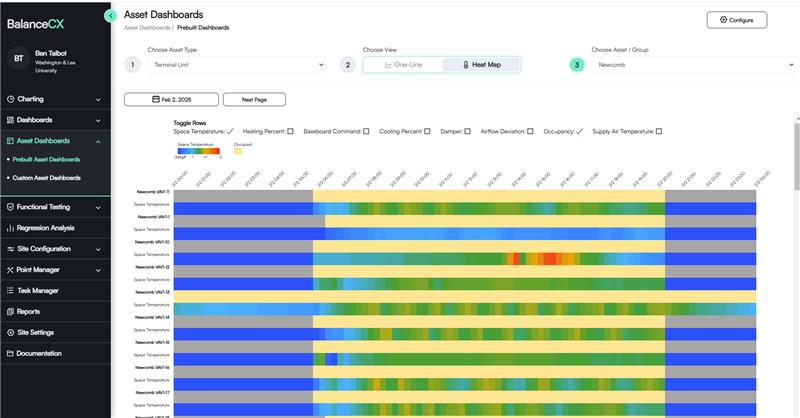
Working closely with the EEI team, the facilities staff conducted targeted overnight setpoint adjustments. BalanceCx monitored the response of each building’s HVAC systems to these changes and quickly identified areas with heating deficiencies. This proactive, data-driven approach reduced guesswork, shortened troubleshooting time, and minimized manual effort traditionally spent on identifying root causes.
Results:
- Operational Efficiency: By centralizing data, the facilities team gained a powerful decision-
making tool. Instead of working through multiple interfaces and spreadsheets, they accessed all building information in one place, significantly reducing the time required for performance assessments. - Strategic Prioritization of Workload: The weekly fault and issue reports ensured that the team focused its limited resources on the most impactful problems first, improving overall building performance and occupant comfort.
- Streamlined Seasonal Adjustments: During the critical winter season, BalanceCx’s data-driven testing approach enabled faster diagnosis of heating-related issues. This proactive method saved labor hours and minimized downtime.
The implementation of BalanceCx at Washington & Lee University transformed the facilities management process. By consolidating data, offering automated fault detection, and providing clear prioritization guidelines, the university’s facilities team could focus on what truly mattered—delivering efficient, comfortable, and well-maintained environments across the campus.