EEI was engaged by Princeton University to assist with the design, construction, and enhancement of a high-performing central plant that would be crucial for optimizing and managing sustainable operations, student housing accommodations, and other critical utilities on the West Campus.
Our Results:
As part of Princeton’s growth strategy, construction began on the university’s West Windsor Meadows Neighborhood in late 2021.
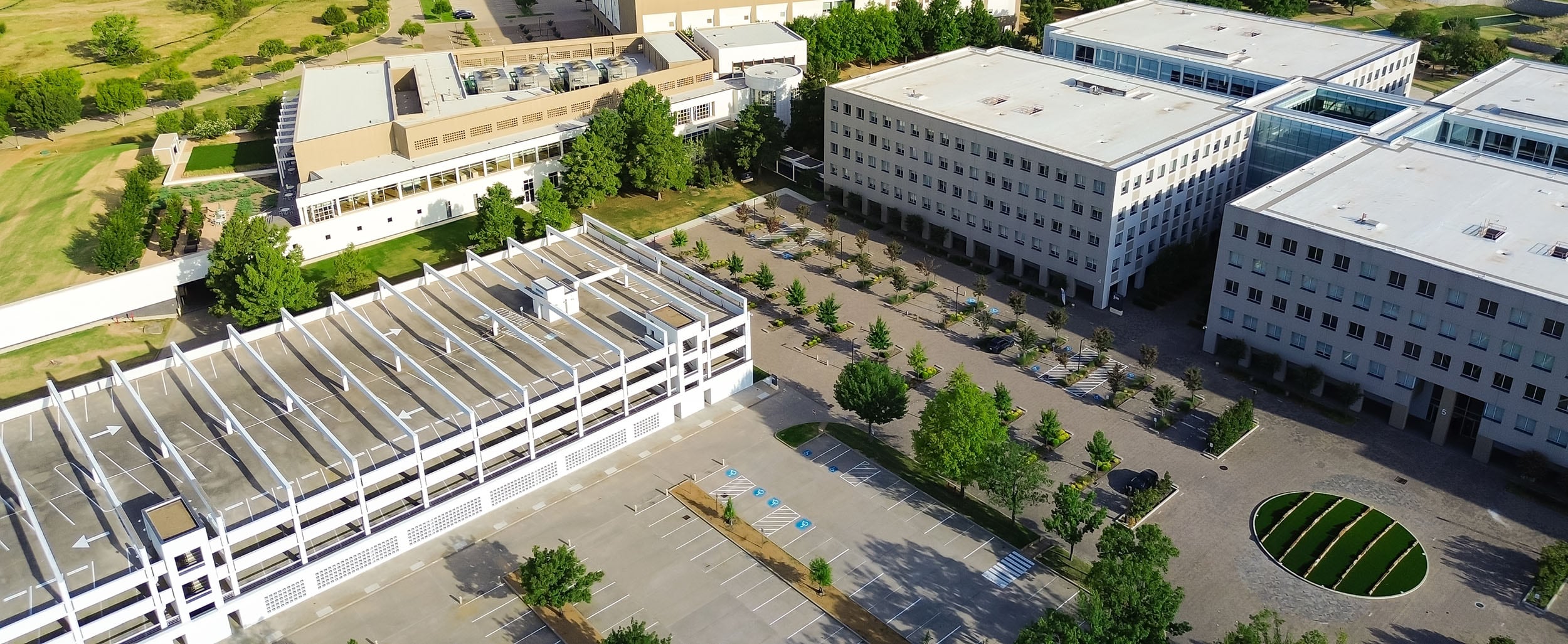
The client’s new campus is home to graduate housing, indoor, and outdoor athletic facilities, as well as natural areas that allow for strategic expansion in the future.To align with Princeton’s sustainability action plan and carbon-neutrality target of 2046, the university elected to construct a high-performance Central Utility Building (CUB) to efficiently provide chilled and hot water to the new campus.
Challenges:
Central plants are naturally energy intensive buildings, so several innovative technologies such as geothermal heat pumps, heat recovery chillers, and thermal energy storage tanks were incorporated into the design. Integrating these elements into a cohesive system proved to be a challenge for the design, construction, and operations teams.
As the rest of campus was concurrently under construction, the EEI team also faced the added challenge of testing the plant with little heating or cooling loads.
Our Solution:
EEI collaborated with the project team to rigorously commission the new facility and fine-tune the operation to meet both the campus’ current and future needs. The process began in the design phase with coordination and review meetings to flesh out and strengthen the plant components, layout, and sequence of operations.
During construction, EEI visited the site to inspect equipment installations, monitor progress, and ensure proper startup and check-out procedures were implemented. Once constructed EEI worked with the contractors to comprehensively test each system and the interactions between them.
Results:
Operational modifications were developed and implemented on-the-fly to ensure the ever-evolving campus needs were met without sacrificing efficiency or risking equipment failure.
The EEI team will continue to regularly collaborate with the university on further improvements as additional campus buildings are brought online.
The lessons we learned from the initial commissioning and operational handoff phase of this project will prove invaluable to those efforts.