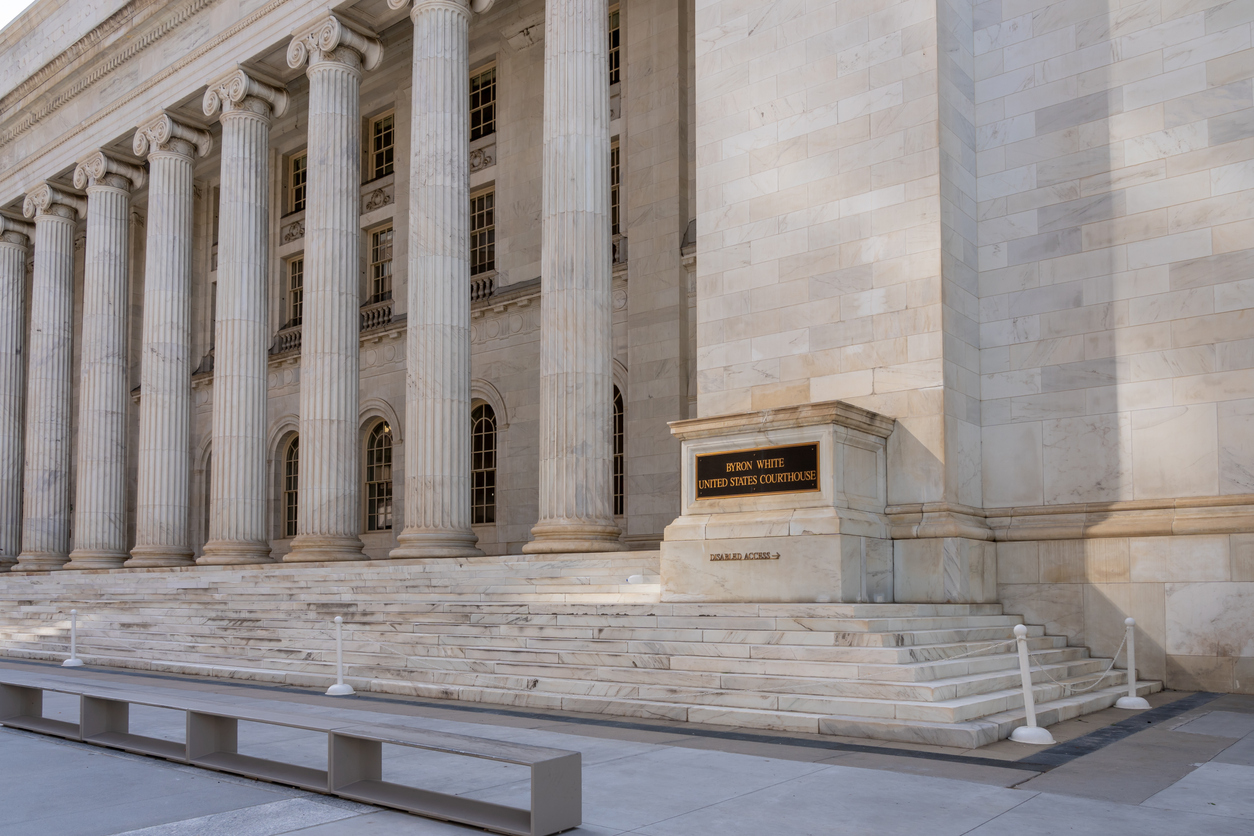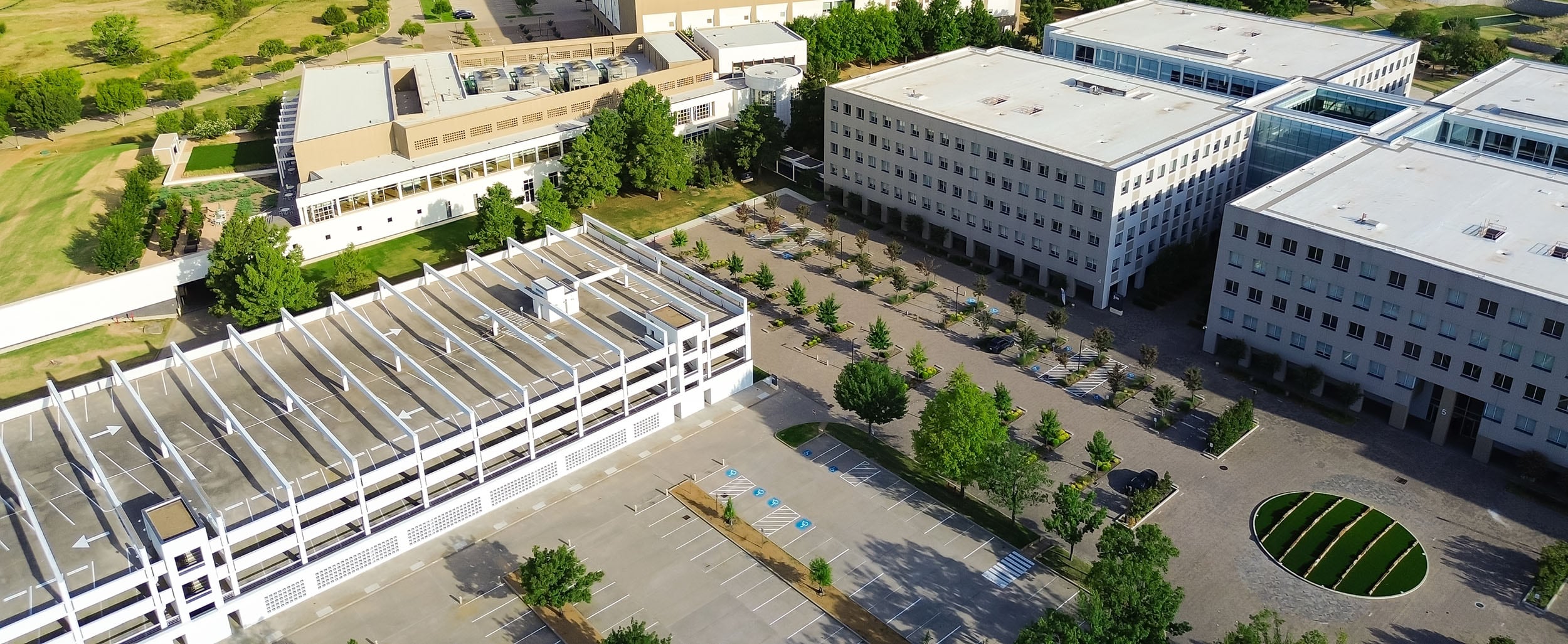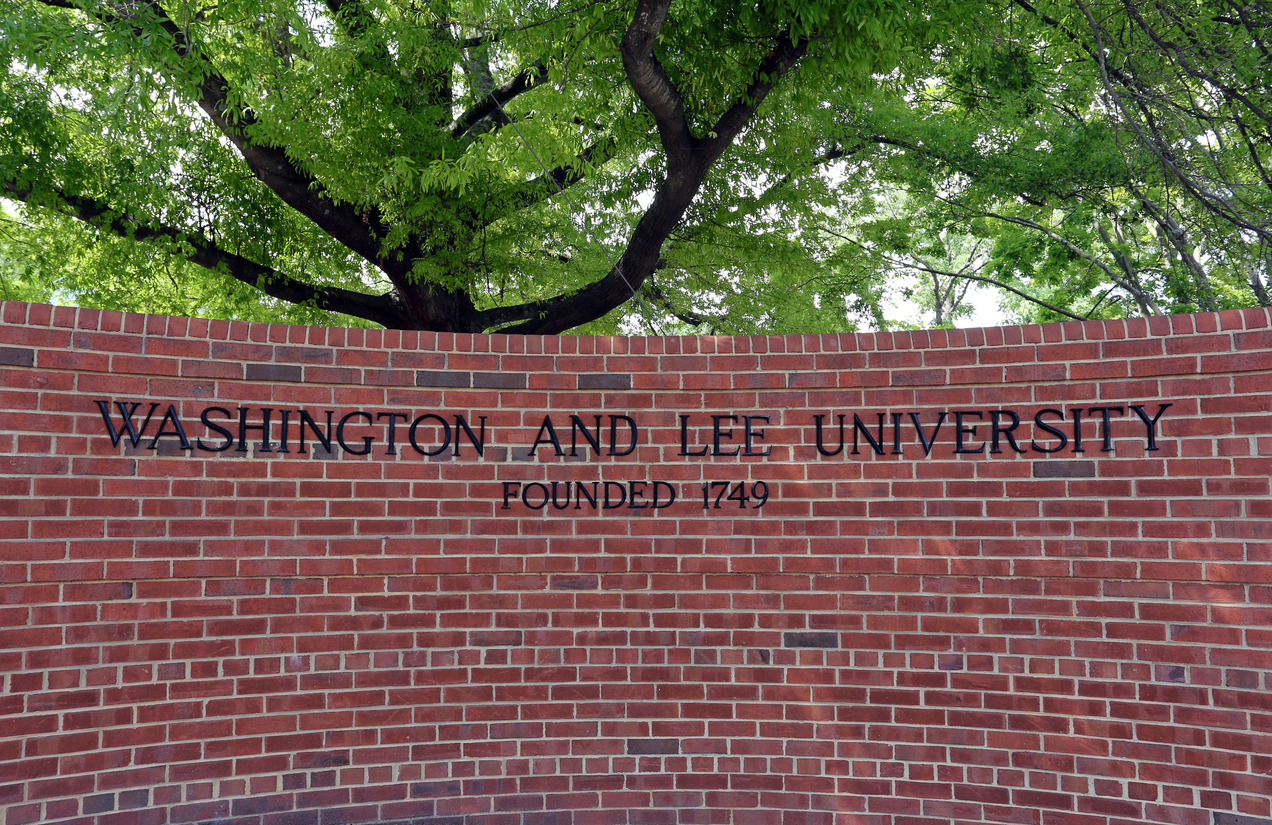
Washington & Lee University includes multiple campus buildings served by a central heating and cooling plant. HVAC systems across these buildings operate under different building automation platforms, making it challenging for the facilities team to aggregate and analyze performance data. This lack of a unified view hindered their ability to compare systems, detect inefficiencies, and prioritize maintenance tasks—an issue magnified by the university’s commitment to energy efficiency, carbon reduction, and strict temperature policies designed to lower the campus’s overall energy footprint.
Why the Project Was Undertaken:
With limited staff and a heavy workload, the facilities team needed a scalable solution to consolidate HVAC data into a single platform. Beyond day-to-day maintenance, Washington & Lee is actively working toward ambitious sustainability targets, including significant reductions in BTUs per square foot. Converting raw, siloed data into actionable insights was essential to allocating resources more effectively, improving occupant comfort, achieving energy savings, and advancing the university’s sustainability objectives.
EEI’s Role & Activities:
- Unified Data Platform: EEI implemented BalanceCx to integrate data streams from multiple building automation systems into a single, cloud-based interface. This holistic view enabled a direct comparison of equipment performance and energy use across diverse campus buildings.
- Automated Fault Detection & Diagnostics: By incorporating Washington & Lee’s client-specific acceptance criteria—aligned with their energy-saving and sustainability goals—into BalanceCx, EEI automatically identified equipment faults and prioritized issues based on criticality, impact on energy consumption, and cost savings potential. Weekly fault reports provided the facilities team with a clear roadmap for improvement.
- Targeted Testing & Troubleshooting: EEI worked closely with the facilities staff to conduct overnight setpoint adjustments. Using BalanceCx analytics, the team quickly identified areas with heating deficiencies, streamlining the troubleshooting process and supporting faster, more efficient corrective actions.
- Strategic Resource Allocation: Armed with consolidated data, automated reporting, and clear insights into problem areas, the facilities team could allocate labor and capital resources more strategically. By focusing on the most impactful energy-saving opportunities and operational improvements, Washington & Lee moved closer to its sustainability targets while maintaining comfortable, efficient campus environments.
Holistic Building Performance
Engineering Economics, Inc. (EEI) specializes in performance improvements for building environmental systems.
Our adept team leverages data analytics to investigate, engineer, implement, and verify improved facility operating strategies designed to make an immediate impact and pioneer future innovations.
Improving the future of your facility begins now. Partner with EEI by scheduling a consultation with our team to start engineering your impact today.