


What Is Building Decarbonization?

Understanding the Fundamentals of Building Decarbonization What is building decarbonization? In practical terms, it is the systematic reduction and eventual elimination of greenhouse gas emissions associated with building operations. Buildings generate emissions through two primary mechanisms: on-site combustion of fossil fuels for heating, water heating, and cooking; and the consumption of electricity generated from carbon-intensive […]
EEI Building Performance Welcomes William Grogan as Team Leader, Senior Project Manager

DENVER – August 6, 2026 – EEI Building Performance announced today that William “Bill” Grogan has joined the firm as Team Leader, Senior Project Manager. Based in the Denver office, Grogan brings more than 21 years of experience in building technologies, with strong expertise in HVAC controls, building automation, life safety, security and customer-focused service […]
Net Zero Carbon vs Net Zero Energy

Understanding the difference between net zero carbon vs net zero energy is essential for building owners developing sustainability strategies, responding to regulatory requirements, or making long-term capital decisions. These terms appear frequently in building performance discussions and are often used interchangeably—but they represent fundamentally different performance targets with distinct implications for building design, operations, and […]
Building Decarbonization Strategies for Commercial Properties

Why Building Decarbonization Strategies Matter Building decarbonization strategies have become a business imperative for commercial property owners. Building Performance Standards now impose enforceable emissions limits and financial penalties in New York, Boston, Washington D.C., and Colorado. Tenants increasingly require documented sustainability commitments as a condition of lease negotiation. Investors scrutinize ESG performance. For most commercial […]
LEED Certification Requirements Explained
What Are LEED Certification Requirements? LEED certification requirements are the specific prerequisites, performance thresholds, and credit criteria established by the U.S. Green Building Council (USGBC) that a building project must satisfy to earn LEED certification. LEED — Leadership in Energy and Environmental Design — is a point-based rating system that evaluates building sustainability across multiple […]
LEED Silver Certification for Southwire’s Bremen Industrial Plant
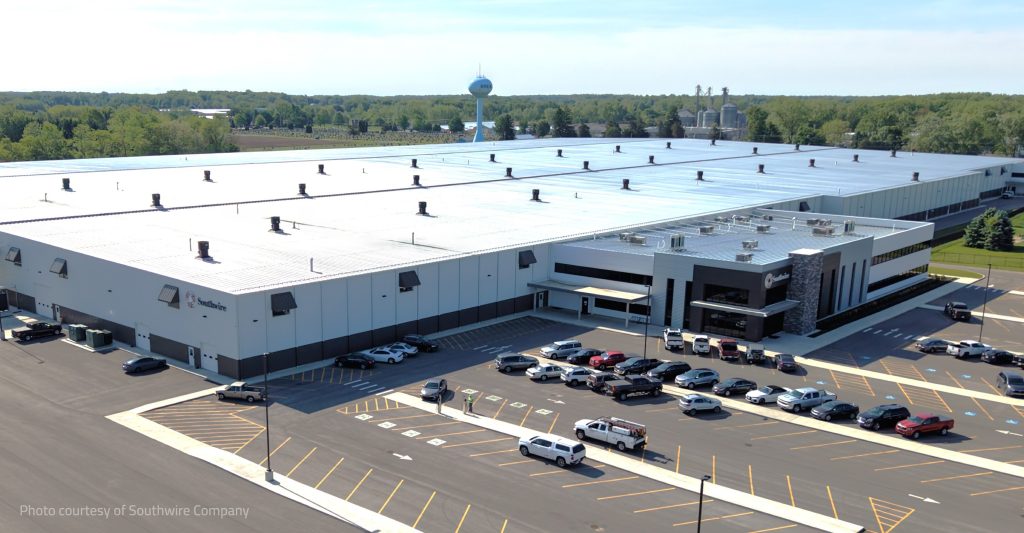
Photo Courtesy of Southwire Company We’re excited to celebrate a major sustainability milestone, the U.S. Green Building Council has awarded LEED Silver certification to Southwire Company’s Bremen Industrial Plant, marking the company’s first manufacturing facility to achieve this distinction. LEED (Leadership in Energy and Environmental Design) is the world’s most widely recognized green building rating […]
Q&A with Loren Morris

Loren W. Morris, PE, CxA, EMP, recently joined EEI Building Performance as Principal, Market Development, based in the firm’s Phoenix office. In this role, he is focused on expanding EEI’s presence with owners, developers, and design and construction partners across key geographies and vertical markets. Drawing on more than three decades of experience in commissioning, […]
Understanding Mission Critical Facilities: Why Reliability Matters from Day One

Mission critical facilities are designed to operate without interruption, even under demanding conditions. Whether supporting digital infrastructure, healthcare services, scientific research, or government operations, these buildings depend on highly reliable systems that cannot afford unexpected downtime. Every mechanical, electrical, and control system must work together to maintain continuous performance because even a brief disruption can […]
Elevating the Passenger Experience: T3 North 2 Concourse Project Update
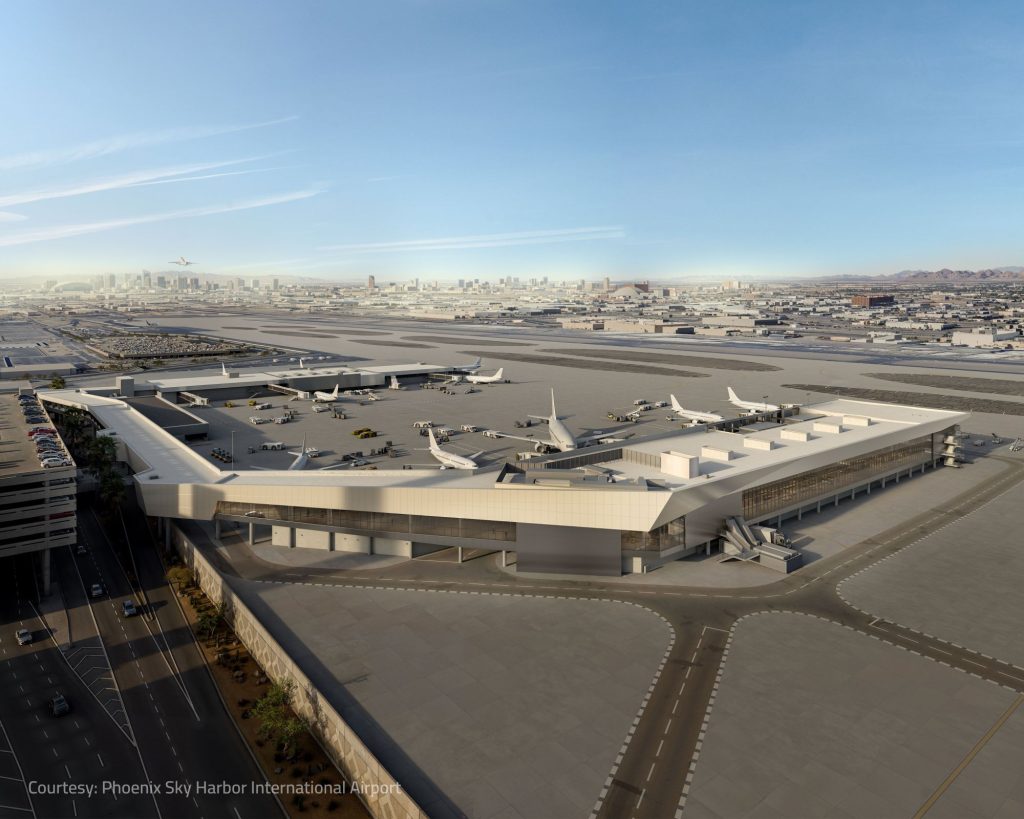
Photo Courtesy: Phoenix Sky Harbor International Airport Construction continues to move forward on the Terminal 3 North 2 Concourse (T3N2) project at Phoenix Sky Harbor International Airport, a major expansion effort designed to support the airport’s long-term growth while enhancing the passenger experience at one of the nation’s busiest aviation hubs. The project is currently […]
Q&A with Morgan Nishida, Assistant Project Manager

Morgan Nishida, an Assistant Project Manager at EEI, is known for her technical depth, steady growth, and commitment to delivering high‑quality commissioning work. In just four years, she has advanced from Support Engineer to Assistant Project Manager, taking on increasingly complex responsibilities across major healthcare and pharmaceutical projects. Morgan is also a driving force behind […]